
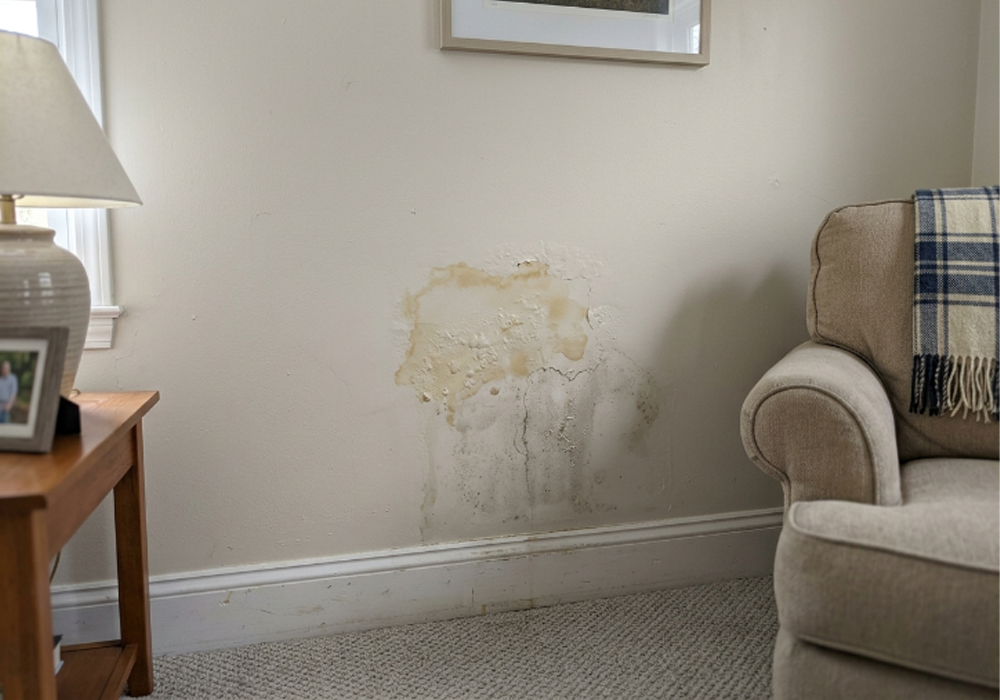
Water leaks can cause serious damage inside a home, and drywall is often one of the first materials affected. Because drywall is porous and absorbent, it quickly takes in moisture from plumbing leaks, roof issues, or appliance failures. When that happens, the damage may not always be obvious at first, but ignoring it can lead to bigger problems over time.
If you’ve noticed signs of moisture on your walls or ceilings, acting quickly is the best way to protect your home and avoid more costly repairs. Understanding what to do after a water leak can help you limit damage and properly restore your drywall.
Why Water Leaks Affect Drywall So Easily
Drywall is made from gypsum sandwiched between layers of paper. While this material works well for interior walls, it is not designed to handle prolonged exposure to moisture.
Once drywall absorbs water, several things can happen:
- The material may soften or weaken
- The surface may stain or discolor
- Paint and texture can bubble or peel
- Mold can begin forming inside the wall
- The panel may warp, swell, or crumble
In some cases, the damage appears quickly. In other cases, it can take days or even weeks for the signs to become noticeable.
Even a small leak should never be ignored.
Common Signs of Water-Damaged Drywall
Many homeowners first notice drywall damage through visual changes on the wall or ceiling surface.
Some of the most common signs include:
- Water stains or yellowish marks: Discolored spots often indicate that moisture has already soaked through the drywall.
- Peeling or bubbling paint: When water collects beneath paint layers, it can cause the surface to lift or blister.
- Soft or sagging drywall: If drywall feels soft when touched or begins to sag, it may have absorbed excessive moisture.
- Cracks or swelling: Water can cause drywall to expand and distort, leading to uneven surfaces.
- Musty odors: A persistent damp smell can indicate moisture trapped behind the wall.
Even if the leak has already been fixed, drywall damage may remain.
Step 1: Stop the Source of the Leak
The most important step before addressing drywall repairs is to identify and stop the source of water.
Leaks can come from several places, including:
- Plumbing pipes inside walls
- Roof leaks during heavy rain
- HVAC or air conditioning condensation
- Bathroom or kitchen plumbing fixtures
- Appliance leaks (dishwashers, washing machines, refrigerators)
Repairing drywall before fixing the leak will only lead to the same issue recurring.
Once the moisture source is resolved, the area should be allowed to dry completely.
Step 2: Assess the Extent of the Damage
After the leak is fixed, the next step is determining how much drywall was affected.
Minor water exposure may require only small repairs, but more serious leaks can compromise the entire drywall panel.
Professionals typically inspect:
- The surface of the drywall
- Moisture levels behind the wall
- Structural framing inside the wall cavity
- Signs of mold growth
If the drywall is still structurally sound, it may be repairable. However, severely soaked drywall often needs to be removed and replaced.
Step 3: Remove Damaged Sections
When drywall has absorbed too much water, removing the damaged portion is usually the safest option.
Cutting out compromised drywall helps prevent:
- Mold growth inside the wall
- Structural deterioration
- Future paint or texture issues
During this process, professionals carefully remove affected sections while protecting surrounding areas of the home.
Once the damaged material is removed, the interior of the wall can dry properly before new drywall is installed.
Step 4: Repair and Restore the Drywall
After the area has dried and the damaged drywall is removed, the restoration process begins.
This typically includes:
- Installing new drywall panels
- Taping and applying joint compound
- Sanding the surface smooth
- Matching the existing wall texture
- Preparing the surface for painting
Proper drywall finishing is essential for making repairs blend seamlessly with the surrounding wall.
When done correctly, the repaired area should be virtually imperceptible.
Why Professional Drywall Repair Matters
Water-damaged drywall repairs can be more complex than they appear. Moisture can spread beyond visible areas, and improper repairs may result in uneven finishes or recurring issues.
Professional drywall technicians know how to:
- Identify hidden moisture damage
- Remove compromised drywall safely
- Prevent mold risks
- Match existing textures and finishes
- Prepare walls correctly for repainting
A thorough repair ensures the wall not only looks good again but also remains structurally sound.
Preventing Future Drywall Damage
While not every leak can be predicted, homeowners can reduce the risk of drywall damage by staying alert to early warning signs.
Some helpful preventative steps include:
- Inspecting plumbing connections regularly
- Checking ceilings after heavy storms
- Monitoring areas around appliances
- Addressing small leaks immediately
- Maintaining proper home ventilation
Quick action can make the difference between a small drywall repair and a much larger restoration project.
Restore Your Walls the Right Way
Drywall damage after a water leak should never be ignored. Even minor moisture exposure can weaken materials and lead to long-term issues if not handled properly.
By fixing the leak source, removing damaged drywall, and restoring the wall properly, homeowners can protect their property and maintain the appearance of their interior spaces.
If you suspect water damage in your walls or ceilings, have the area inspected and repaired to prevent the issue from spreading and ensure your home remains safe, clean, and structurally sound.