
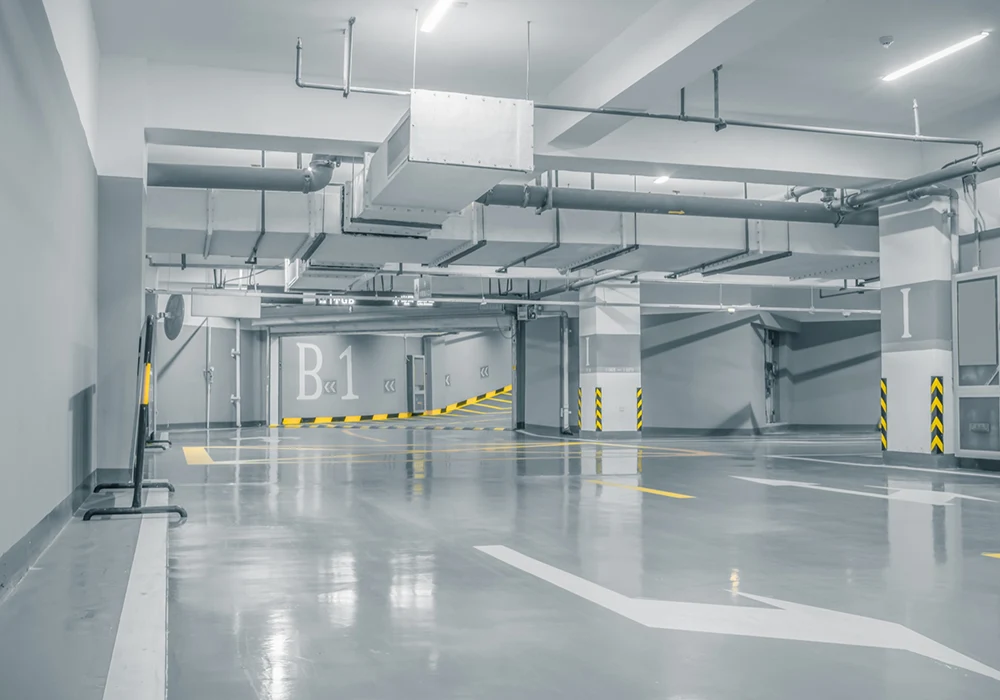
Epoxy flooring has become one of the most popular choices for both residential and commercial spaces, and one of the main reasons is durability. Homeowners want a floor that can handle daily wear, while business owners need surfaces that stand up to heavy use without constant maintenance.
But how durable is epoxy flooring, really? And is it the right option for your space?
Understanding what makes epoxy so strong and where it performs best can help you make a confident decision.
What Is Epoxy Flooring?
Epoxy flooring is a coating system made by combining resin and hardeners. When applied over a concrete surface, it creates a rigid, plastic-like layer that bonds tightly to the floor.
Once cured, epoxy forms a seamless and highly durable surface that is resistant to damage, moisture, and chemicals. This is why it’s commonly used in garages, warehouses, basements, and even modern homes.
Built to Handle Heavy Impact
One of the biggest advantages of epoxy flooring is its ability to withstand heavy impact. Unlike traditional concrete, which can crack or chip under pressure, epoxy creates a protective layer that absorbs stress more effectively.
This makes it ideal for:
- Garages with parked vehicles
- Workshops with heavy tools and equipment
- Commercial spaces with constant foot traffic
Dropped tools, heavy furniture, or equipment are far less likely to cause permanent damage when epoxy is properly installed.
Resistant to Wear and Tear
Over time, most flooring materials begin to show signs of wear. Scratches, scuffs, and surface damage can quickly make a space look outdated.
Epoxy flooring is designed to resist that type of deterioration. It’s hard, sealed surface protects against:
- Scratches from shoes, furniture, and pets
- Scuff marks from daily use
- Abrasion caused by high traffic
This makes epoxy a long-lasting solution for areas that see frequent activity.
Protection Against Stains and Chemicals
Another major reason epoxy is considered durable is its resistance to stains and chemicals.
In a typical garage or workspace, floors are exposed to:
- Oil spills
- Gasoline
- Cleaning products
- Paint or solvents
Concrete alone absorbs these substances, often leaving permanent stains. Epoxy, however, creates a non-porous barrier that prevents liquids from penetrating the surface.
This means spills stay on top, making them easy to clean without causing long-term damage.
Moisture Resistance Matters
Moisture is one of the biggest threats to traditional flooring. Water can seep into porous materials, leading to mold, stains, or structural issues over time.
Epoxy flooring acts as a moisture-resistant seal over concrete. This is especially valuable in:
- Basements
- Garages
- Areas with humidity or temperature changes
By blocking moisture, epoxy helps preserve both the floor and the underlying structure.
Long Lifespan With Proper Installation
When professionally installed, epoxy flooring can last anywhere from 10 to 20 years, depending on usage and maintenance.
In residential settings, it often lasts even longer due to lower traffic compared to commercial environments.
However, durability depends on a few key factors:
- Proper surface preparation
- High-quality materials
- Skilled application
- Regular basic maintenance
Poor installation can lead to peeling, bubbling, or early wear. That’s why working with experienced professionals is essential.
Low Maintenance, High Performance
Durability isn’t just about strength; it’s also about how easy a floor is to maintain over time.
Epoxy flooring requires minimal upkeep to stay in great condition. Routine cleaning typically includes:
- Sweeping dust and debris
- Occasional mopping with mild cleaners
Because the surface is smooth and non-porous, dirt and spills don’t get trapped. This makes epoxy one of the easiest flooring options to maintain.
For homeowners and business owners alike, that means less time spent on cleaning and fewer long-term maintenance costs.wners alike, that means less time spent on cleaning and fewer long-term maintenance costs.
Where Epoxy Performs Best
Epoxy flooring is incredibly versatile, but it performs especially well in certain environments:
- Garages: Handles vehicles, tools, and chemical exposure
- Commercial spaces: Withstands heavy foot traffic and equipment
- Basements: Resists moisture and improves appearance
- Workshops: Durable under constant use
It’s also becoming more popular in modern homes due to its clean, polished look.
Is Epoxy Flooring Right for You?
While epoxy is extremely durable, it’s not the perfect solution for every situation.
It works best on properly prepared concrete surfaces and in areas where durability and resistance are priorities. If the existing concrete is severely damaged, repairs may be needed before installation.
Still, for most homeowners looking for a long-lasting, low-maintenance flooring solution, epoxy is a strong investment.
Final Thoughts
So, how durable is epoxy flooring? When installed correctly, it’s one of the toughest and most reliable flooring options available.
It resists impact, stains, moisture, and daily wear, making it ideal for both residential and commercial use. With a long lifespan and minimal maintenance, epoxy flooring offers real value over time.
If you’re looking for a floor that not only looks clean and modern but also stands up to years of use, epoxy is hard to beat.